


Why Aesop’s Fables Belong in Your Home (And Your Business)
Posted December 18, 2025 by Kevin Chern
Introducing timeless stories to our kids is one of the simplest ways to prepare them for a complicated world. Aesop’s Fables, in particular, pack entire life lessons into a few short paragraphs. They help children (and adults) understand consequences, character, and relationships long before they step into a classroom or a company. The book was an important part of my character building experience and as I get older, I reflect on the value it added to my life and how it can add to the lives of other, both in enriching interpersonal relationships and in building successful businesses.
In this post, we will look at why Aesop’s Fables are such powerful tools for both life and business, and then dive into three specific fables that teach lessons critical to business success.
Why Aesop’s Fables are powerful for life AND business
Aesop’s Fables endure because they are:
- Simple and memorable. Children can remember the stories and repeat the lessons back to you. That same simplicity makes them easy to apply to real business situations.
- Emotionally sticky. Stories reach the heart first and the head second. When a child feels the regret of a character or the relief of a wise choice, the lesson lands more deeply.
- Value-centered. The fables highlight honesty, discipline, prudence, humility, and courage – the same qualities that sustain healthy organizations and strong leadership.
When you regularly read and discuss these stories at home, you are not just entertaining your children. You are building the raw material of good judgment that they will later use as partners, managers, owners, and colleagues.
Below are three fables that translate especially well into the world of business.
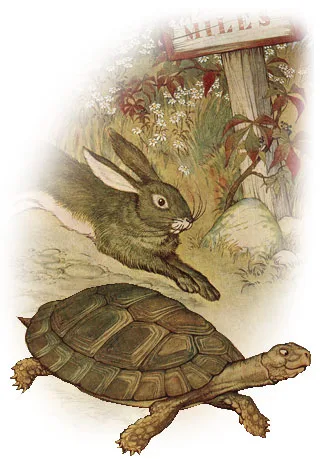
1. The Tortoise and the Hare: Consistency beats raw talent
The story: A fast, overconfident hare challenges a slow, steady tortoise to a race. Certain of an easy victory, the hare naps mid-race while the tortoise continues, step by step, and ultimately wins.
Core moral: Slow and steady wins the race.
Lesson for children
For kids, this fable teaches that:
- Showing up consistently matters more than showing off.
- Effort and follow-through are more important than bragging rights.
- You do not have to be the fastest or the smartest to succeed if you keep moving forward.
Lesson for business
In business, we constantly see the same contrast:
- A “hare” company launches loudly, spends heavily on marketing, promises the world – but stops doing the boring, consistent work.
- A “tortoise” company builds habits: calling clients every week, improving processes a little at a time, measuring results, and honoring commitments.
Over time, the steady operator almost always outperforms the flashy sprinter.
Practical business applications:
- Sales and relationships. A salesperson who makes a few thoughtful calls every day will outperform the charismatic closer who works in unpredictable bursts.
- Operations. Following a repeatable process – documenting workflows, tracking key metrics, closing the loop with customers – creates reliability that clients learn to trust.
- Leadership. A leader who shows up with calm consistency, even without dramatic speeches, builds a stronger culture than one who alternates between intensity and absence.
Reading The Tortoise and the Hare with your children gives you a natural opening to ask: “Where do you want to be the tortoise in your life?” The same question is powerful for teams and companies.
2. The Ant and the Grasshopper: Preparation and discipline over impulse
The story: All summer long, an ant works to gather and store food while a grasshopper sings and plays. When winter arrives, the ant is ready. The grasshopper, who did not prepare, finds itself hungry and exposed.
Core moral: It is wise to prepare today for the needs of tomorrow.
Lesson for children
For children, this fable illustrates that:
- Fun is important, but it cannot replace responsibility.
- Small, consistent work now creates freedom and security later.
- Ignoring the future does not make it go away.
Lesson for business
Businesses live or die by how well they prepare for “winter”: downturns, market shifts, new regulations, or simply the natural cycles of demand.
Common “grasshopper” behaviors in business include:
- Spending every dollar of current profit, assuming good times will continue indefinitely.
- Ignoring systems, documentation, and cross-training because they are “not urgent.”
- Building a client base around one large customer instead of diversifying.
By contrast, “ant” behavior looks like:
- Building reserves. Setting profit aside during good months to create a buffer for leaner periods.
- Investing in infrastructure. Documenting processes, training people, and implementing tools that may slow you down today but protect you tomorrow.
- Strategic foresight. Asking “What if?” and planning for multiple scenarios instead of assuming the current environment will last forever.
Practical business applications:
- Cash management. Establishing a disciplined practice of maintaining cash reserves so that a single bad quarter does not threaten survival.
- Hiring and training. Cross-training team members so that the departure of one key person does not cripple operations.
- Risk management. Reviewing contracts, insurance, and compliance regularly instead of waiting for a crisis.
When you talk through The Ant and the Grasshopper at home, you can ask your children: “What ‘winter’ do you think you should be preparing for now?” In business, leaders should ask the same question about their markets and organizations.

3. The Boy Who Cried Wolf: Trust is a non‑negotiable asset
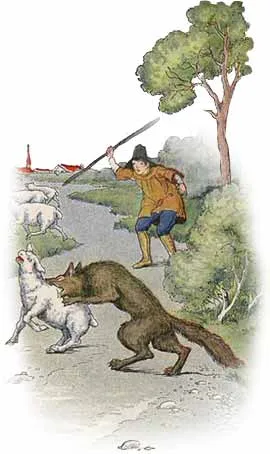
The story: A shepherd boy repeatedly tricks the villagers by shouting that a wolf is attacking his flock. Each time, the villagers run to help and find no wolf. When a real wolf finally appears and the boy cries for help, no one believes him, and disaster follows.
Core moral: If you lie often enough, people will stop believing you, even when you tell the truth.
Lesson for children
For kids, this story makes clear that:
- Dishonesty has long-term costs, even when the lie seems small or funny in the moment.
- Trust is hard to earn and easy to lose.
- People base their decisions on your track record, not just your words in the moment.
Lesson for business
In business, trust is currency. Once it is spent recklessly, it is difficult to earn back.
“Crying wolf” in business looks like:
- Overpromising results to close a sale, knowing the company cannot realistically deliver.
- Advertising benefits that are technically true but deliberately misleading in their presentation.
- Repeatedly setting unrealistic deadlines for teams and then missing them.
The consequences are predictable:
- Customers become skeptical of every claim and stop referring new business.
- Team members disengage, assuming that leadership’s commitments are optional.
- Partners hesitate to invest in joint initiatives, fearing that promises will not be kept.
Practical business applications:
- Transparent communication. Say what you can do and by when – and be explicit about what you cannot do.
- Aligned incentives. Avoid compensation structures that reward short-term wins at the expense of long-term trust.
- Cultural norms. Celebrate people who tell the truth early, even when it is uncomfortable, rather than those who “fake it” until problems explode.
At home, when you tell The Boy Who Cried Wolf, you can connect the story to very simple behaviors: telling the truth about homework, about where you were, or about how something broke. In business, the same principle scales up to financial reports, marketing copy, and executive communication.
Bringing these lessons together
Introducing Aesop’s Fables to your children is not just an educational exercise. It is an investment in the future adults who will lead, manage, and collaborate in the business world.
- The Tortoise and the Hare teaches the power of steady, disciplined effort.
- The Ant and the Grasshopper underscores preparation, prudence, and respect for the future.
- The Boy Who Cried Wolf reveals how fragile and essential trust really is.
At home, these lessons help children navigate friendships, schoolwork, and responsibilities. In business, they translate directly into how companies handle growth, risk, reputation, and relationships.
By making these stories a regular part of family life – reading them aloud, asking questions, and connecting them to real situations – you lay a foundation for both personal character and professional success. The same stories that shape your children’s values today can shape the integrity and resilience of your business tomorrow.
How to start using Aesop’s Fables with your family (and your business)
If you are looking for a simple next step:
- Pick one fable a week. Read it aloud at home and ask one or two open questions: “Who made the wise choice here?” or “What would you have done?”
- Connect it to real life. When something happens at school, in sports, or at work, gently tie it back to a story you have already read.
- Bring the stories into your company. Use fables as icebreakers in team meetings or leadership development sessions. The simplicity of the stories often creates more honest conversations than a slide deck full of data.
Timeless stories build timeless people. When you invest in your children’s character through these simple fables, you are also investing in the kind of business culture that can stand the tests of time, pressure, and change.
Tags:
TRENDING POSTS

How Law Firms Harness the Power of AI

Your January Business To-Do List That Can’t Wait Until February